

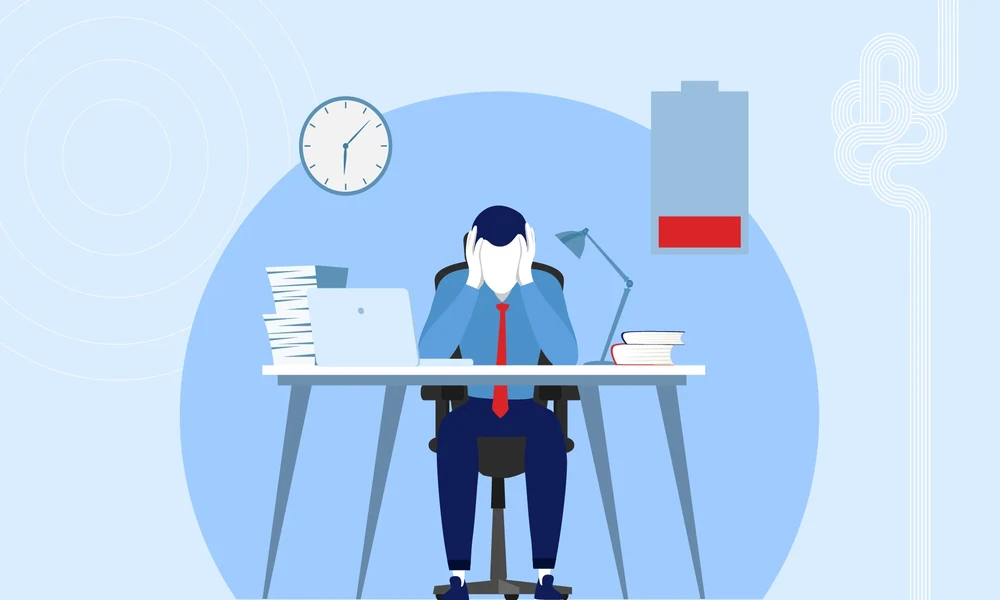
Stress leave planning protects return-to-work outcomes by pairing time away from the job with active treatment, clear documentation, and a structured reentry plan. Leave without a plan often ends with an employee returning to the same conditions that caused the breakdown. Leave with a plan gives the employee a realistic chance to recover and stay recovered.
Eligible employees can take up to 12 workweeks of unpaid, job-protected leave in a 12-month period for a serious health condition (U.S. Department of Labor).
What is stress leave?
Stress leave is a period of medically supported time away from work granted when psychological symptoms interfere with job performance or daily functioning. It is not a vacation. It is a treatment window.
Conditions that commonly lead to stress leave
Stress leave commonly follows symptoms of burnout, depression, anxiety, or trauma-related distress. A licensed clinician evaluates the employee, documents functional limitations, and recommends a leave duration based on clinical need.
What stress leave services include
Stress leave services pair clinical documentation with active treatment, and outpatient burnout care in the St. Louis area focuses on recovery, boundary-setting, and return-to-work planning (Lakeside Behavioral Health).
What legal protections apply to stress leave?
The federal Family and Medical Leave Act provides eligible employees with up to 12 weeks of unpaid, job-protected leave per year for a serious health condition, which can include mental health conditions. Federal FMLA guidance sets out eligibility rules, employer coverage thresholds, and certification requirements for this leave (U.S. Department of Labor).
Common FMLA eligibility criteria
- Employment with a covered employer
- At least 12 months of service with that employer
- At least 1,250 hours worked during the prior 12 months
- Work at a location with 50 or more employees within 75 miles
State laws, short-term disability policies, and employer handbooks may add protections or pay replacement. Employees benefit from reviewing their specific policies with human resources early in the process.
Why does treatment during leave matter?
Treatment during leave matters because rest alone rarely resolves the underlying condition. An employee who spends leave isolated at home without clinical support may return with the same symptoms and fewer coping tools. Active treatment options during stress leave include:
- Individual therapy focused on the stressors that triggered leave
- Intensive outpatient programming for more significant symptoms
- Psychiatric evaluation and medication management
- Skills training in boundary-setting and stress regulation
Some outpatient practices build dedicated stress leave services around this principle.
What documentation does stress leave require?
Stress leave requires medical certification from a qualified healthcare provider that describes the condition’s impact on job function and the expected duration of leave. Employers and insurance carriers may use their own forms.
Typical documentation components
- Diagnosis or clinical description of the condition
- Date the condition began and expected duration
- Functional limitations that affect job duties
- Treatment plan and appointment frequency
- Anticipated return date or reevaluation date
Accurate, timely paperwork prevents gaps in pay replacement and job protection. Employees should keep copies of every form submitted.
How should employees plan their return to work?
Employees should plan their return to work before the leave ends, not on the final day. A structured reentry reduces the risk of symptom recurrence during the first weeks back.
Return-to-work planning steps
- Review symptom progress with the treating clinician
- Identify workplace factors that contributed to leave
- Discuss reasonable accommodations with human resources
- Consider a phased schedule or reduced hours initially
- Schedule continued therapy appointments after return
Reasonable accommodations under the Americans with Disabilities Act may include modified schedules, adjusted workloads, or changes to supervision methods. Workers with depression, PTSD, and other mental health conditions may be entitled to reasonable accommodations under federal law (U.S. Equal Employment Opportunity Commission).
What warning signs suggest an employee needs stress leave?
Warning signs that suggest an employee needs stress leave include persistent exhaustion, declining concentration, frequent absences, and physical symptoms without a clear medical cause. These signs usually build over weeks or months. Other indicators include:
- Dread before every workday
- Irritability that spills into home relationships
- Sleep disruption tied to work thoughts
- Withdrawal from coworkers and routine tasks
- Increased reliance on alcohol or other substances to cope
An evaluation with a licensed clinician clarifies whether leave, outpatient treatment, or both are appropriate.
How long does stress leave usually last?
Stress leave usually lasts between 2 and 12 weeks, depending on symptom severity, response to treatment, and the protections available under law and employer policy. The treating clinician sets the initial duration and reevaluates it at scheduled intervals.
Factors that shorten or extend leave
Shorter leaves often suit employees with recent-onset burnout who respond quickly to therapy and rest. Longer leaves tend to involve moderate to severe depression, anxiety, or trauma symptoms that require intensive outpatient treatment or medication adjustments before a safe return is possible. Extensions require updated documentation submitted before the original leave expires.
What can coworkers do while a colleague is on stress leave?
Coworkers can support a colleague on stress leave by respecting privacy, avoiding speculation about the reason for leave, and refraining from sending work requests during the absence. Managers should route any necessary communication through human resources. A welcoming, low-pressure return helps the employee rebuild confidence during the first weeks back on the job.
How do employers benefit from structured stress leave?
Employers benefit from structured stress leave because employees who return with a treatment plan and clear accommodations are more likely to remain productive and stay with the organization. Unmanaged burnout tends to show up as turnover, errors, and extended absences.
How managers can help
Managers can support the process by keeping leave confidential, communicating through human resources, and preparing a realistic workload for the returning employee. Stress leave works best when it is treated as a clinical intervention with a defined beginning, middle, and end.
